


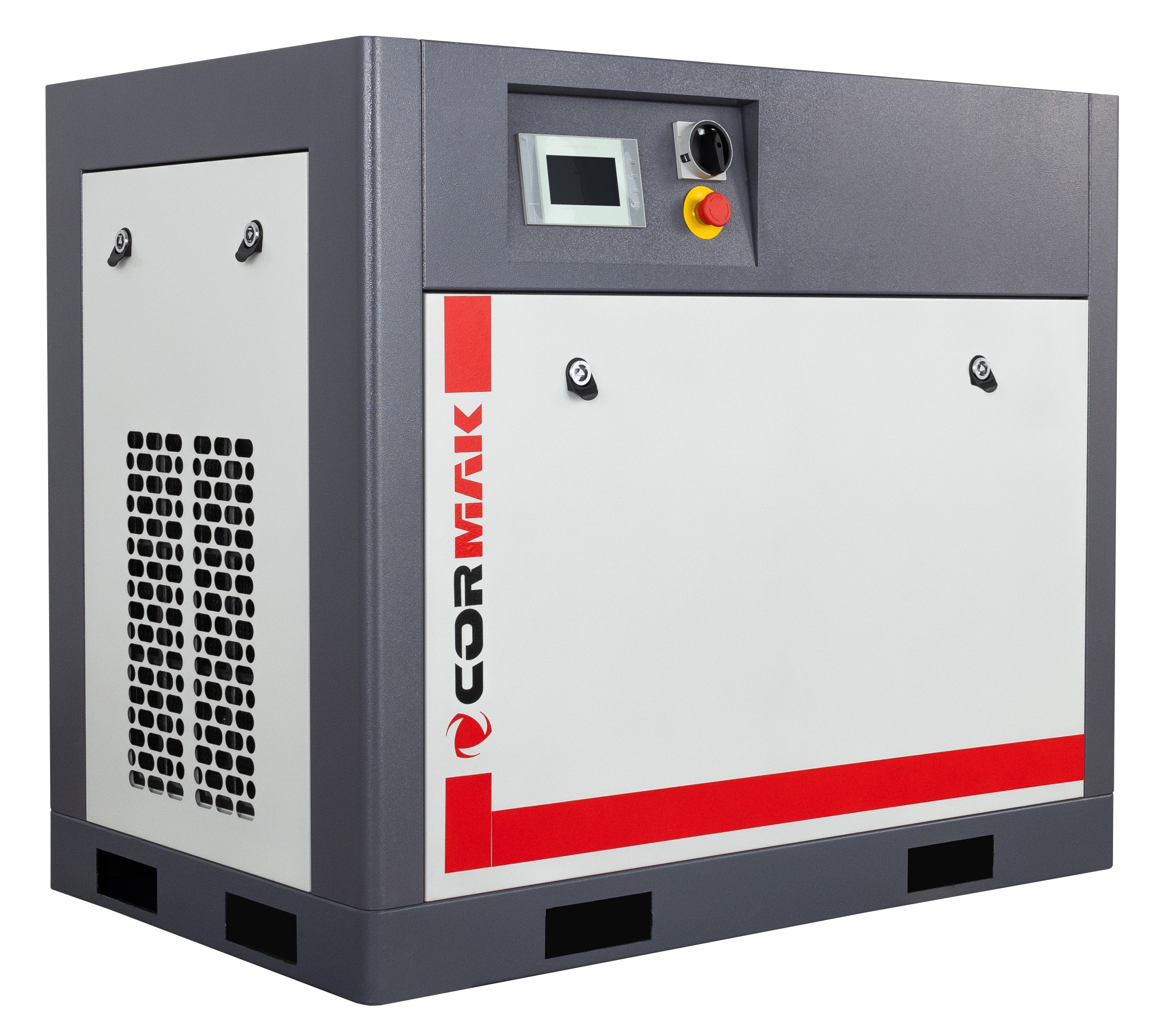
Choosing the right compressor is crucial for energy and operational efficiency across many industries. Compressors with variable-speed drives (VSDs) and those without differ in the way they regulate motor speed, which affects their performance and suitability for different applications. Understanding these differences will help you make the best choice for your business’s needs.
Compressor with or without an Inverter: Which One Should You Choose for Optimal Performance?
Choosing the right screw compressor is crucial for energy and operational efficiency across many industries. Compressors with inverters and those without differ in how they regulate motor speed, which affects their performance and applications. Understanding these differences will help you make the best choice for your business’s needs.
What is an inverter and how does it work in a compressor
An inverter (also known as a frequency converter) is an electronic device that controls the rotational speed of an electric motor by regulating the frequency of the supply voltage. In the case of screw compressors, the inverter plays a key role, as it enables smooth regulation of the compressor’s output depending on the current demand for compressed air. As a result, the compressor does not run at full speed all the time, but adjusts its power to actual operating conditions. The result is a significant reduction in energy consumption, lower noise levels and an extended service life for components. Compressors equipped with an inverter are particularly recommended where air demand fluctuates, e.g. in production plants, workshops or paint shops. This solution combines efficiency with cost savings.
Compressors with an Inverter
Compressors with inverters use inverter technology to regulate the motor speed according to the current air demand. This enables them to adapt their output to changing demand, which translates into several key benefits:
- Reduced energy consumption: The inverter adjusts the motor speed to the current demand, minimising unnecessary energy consumption.
- Reduced operating costs: Energy efficiency means lower electricity bills and reduced running costs.
- Longer equipment lifespan: A lower load on the compressor during partial-load operation extends its service life.
- Reduced noise emissions: The inverter can lower the motor speed, which reduces the noise generated by the unit.
Compressors without an inverter
Compressors without an inverter operate at maximum speed, regardless of the current air demand. They are simpler in design and may be more suitable in certain conditions:
- Simplicity and lower initial costs: The absence of complex components, such as an inverter, can reduce the initial purchase cost.
- Reliability in harsh conditions: The simple design may be more resistant to harsh operating conditions, particularly in environments with high dust levels or humidity.
- Constant performance: Compressors without an inverter deliver constant pressure and air flow, which may be required in certain industrial applications.
Inverter or Non-Inverter Compressor – Which to Choose?
The decision on which compressor to choose depends on several factors:
- Energy requirements: If your air demand is variable and you anticipate that the compressor will frequently operate under varying loads, a variable-speed drive (VSD) compressor can deliver significant energy savings.
- Budget: If a limited budget is a key factor, a compressor without an inverter may be more cost-effective initially.
- Operating conditions: In environments where the compressor may be exposed to extreme conditions, the more robust design of a compressor without a variable frequency drive may prove more advantageous.
Summary
The choice between a compressor with or without an inverter should be dictated by specific operational needs, costs, and preferences regarding energy efficiency and maintenance. Considering all these factors will help ensure that the chosen compressor best serves your business.
