


One of the most important parameters for ensuring good air quality is the dew point of compressed air. It is this parameter that enables us to determine how much moisture is present in the system and whether there is a risk of water condensation. In practice, this parameter has a huge impact on the durability of equipment, production efficiency and the operational safety of the entire system. Compressed air is used in many industries – from mechanical workshops to advanced production lines.
One of the most important parameters for ensuring good air quality is the dew point of compressed air. It is this parameter that allows us to determine how much moisture is present in the system and whether there is a risk of water condensation. In practice, this parameter has a huge impact on the durability of equipment, production efficiency and the operational safety of the entire system. Compressed air is used in many industries – from mechanical workshops to advanced production lines.
Contents
- What is the dew point of compressed air?
- How is the dew point measured?
- What dew point is suitable for industrial applications?
- Why is compressed air drying so important?
- Summary
What is the dew point of compressed air?
The dew point of compressed air is the temperature at which the water vapour contained in the air begins to condense. The lower the dew point, the less moisture there is in the pneumatic system. In practice, this means greater protection for pipes, tools and machinery against corrosion and breakdowns.
When the compressor is running, air is drawn in from the environment along with moisture. During compression, the temperature rises, and once the air is cooled, the water vapour condenses. If the system is not fitted with a suitable dehumidification system, water can accumulate in the pipes and equipment. This is why it is so important to understand why a compressor needs a dehumidifier and how to select the right solution for a specific application.
Why is moisture in a pneumatic system a problem?
Excessive moisture in compressed air can lead to a number of operational problems. Water in the system causes corrosion of pipes, damage to valves and accelerated wear of pneumatic tools. In sectors requiring high air purity, such as the food or paint industries, the presence of moisture can reduce production quality.
It is worth remembering that the dew point of compressed air directly affects the operational stability of the entire pneumatic system. The more demanding the working environment, the greater the importance of effective air drying. In such situations, screw compressors with an air drier prove highly effective, as they allow the air to be compressed and dried simultaneously within a single system.
How is the dew point measured?
The dew point is measured using special sensors installed in the pneumatic system. The result is usually given in degrees Celsius. For many industrial applications, a dew point of around +3°C is standard, although in more demanding environments it may be necessary to achieve as low as -40°C.
Selecting the right solution depends on the type of production and the operating conditions of the system. This is precisely why it is so important to understand how a compressed air dryer works. This knowledge allows for a better understanding of how moisture is removed from the system and which technologies work best under specific conditions.
What dew point is suitable for industrial applications?
The dew point value depends on the application of the compressed air. In standard industrial systems, a level of around +3°C is often sufficient. However, in sectors requiring very dry air, such as electronics or pharmaceuticals, much lower values are necessary.
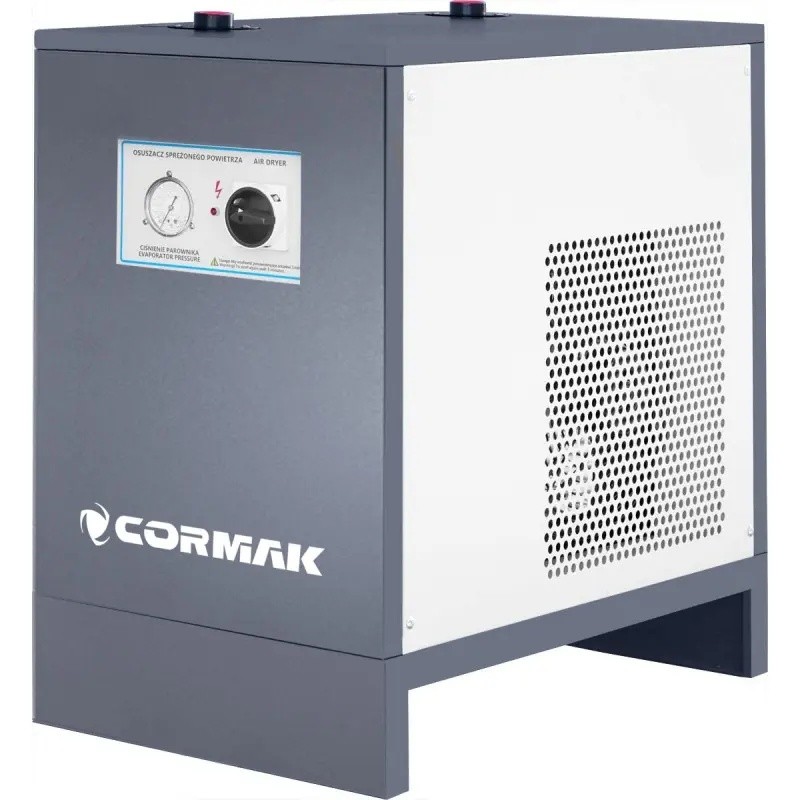
In such cases, a refrigeration dryer is used, amongst other things, to effectively reduce the moisture content in the system. A properly selected drying system helps to minimise the risk of breakdowns and extend the service life of pneumatic equipment.
How can the dew point of compressed air be lowered?
The most effective way to lower the dew point is to use appropriate air treatment equipment. Dehumidifiers, filters and correctly selected compressors play a key role here. In modern industrial plants, high-performance screw compressors are increasingly being used, as they ensure stable operation and high energy efficiency.
Regular monitoring of system parameters and servicing of the equipment are also of great importance. Even the best industrial compressors require proper operation to maintain the correct quality of compressed air.
Why is compressed air drying so important?
Dehumidifying compressed air is not merely a matter of ensuring the smooth operation of equipment. Above all, it is a way of protecting the entire pneumatic system against costly breakdowns and production downtime. A sufficiently low dew point of the compressed air prevents water condensation, thereby increasing the reliability of the system.
Modern solutions offered by industrial machinery manufacturers enable effective control of compressed air quality even in highly demanding industrial conditions. This allows businesses to reduce operating costs and increase the efficiency of their production processes.
Summary
The dew point of compressed air is one of the most important parameters affecting the quality and operational safety of a pneumatic system. Excessive moisture can lead to corrosion, equipment damage and production problems. Carefully selected dryers, compressors and filtration systems enable effective control of moisture levels and ensure the stable operation of the entire system. In modern industry, proper compressed air treatment forms the basis for efficient and trouble-free operation of equipment.
