


Cleaning metal surfaces is one of the most important stages in preparing the material for further processing, painting, welding or anti-corrosion protection. Carefully selected metal cleaning methods affect not only the appearance of the finished product, but above all its durability and performance characteristics. In industry, production workshops and service centres, both traditional mechanical solutions and modern laser-based technologies are used today. How can metal be cleaned effectively and safely? What should be used to clean metal in order to achieve the desired result? Discover the most popular methods used in professional metalworking.
Cleaning metal surfaces is one of the most important stages in preparing the material for further processing, painting, welding or anti-corrosion protection. Carefully selected metal cleaning methods affect not only the appearance of the finished product, but above all its durability and performance characteristics. In industry, production workshops and service centres, both traditional mechanical solutions and modern laser-based technologies are used today. How can metal be cleaned effectively and safely? What should be used to clean metal to achieve the desired result? Discover the most popular methods used in professional metalworking.
Contents
- Why is cleaning metal surfaces so important?
- Mechanical methods of cleaning metal
- Cleaning metal components using sandblasting
- Washing and degreasing metal parts
- Cleaning lasers – a modern solution for industry
- Summary
Why is cleaning metal surfaces so important?
Cleaning metal surfaces is a process that involves removing contaminants such as rust, grease, oil, scale, old paint coatings and manufacturing residues. In many industries, it is an essential step prior to further processing.
Proper removal of contaminants from metal surfaces results in better adhesion of paints and protective coatings, reduces the risk of corrosion and improves the quality of welded joints. Improperly prepared components can cause technical problems and increase operating costs.
It is worth bearing in mind that the choice of method should take into account the type of metal, the nature of the contamination and the expected end result. That is why modern manufacturers of industrial machinery offer solutions tailored to the diverse needs of businesses.
Mechanical methods of metal cleaning
Mechanical methods of metal cleaning are among the most commonly used solutions. These involve the physical removal of contaminants from the surface using abrasives or specialised equipment.
In practice, wire brushes, grinders, abrasive discs and advanced metalworking machines are used, which streamline the process of preparing components for further stages of production.
Mechanical metal cleaning is particularly effective for removing loose rust, scale or old protective coatings. This method is relatively quick and effective, but requires the correct selection of operating parameters to avoid damaging the surface being treated.
Those considering how to clean metal in an industrial setting should pay attention to the degree of process automation. High-quality equipment helps to increase productivity and ensure consistent results.
Cleaning metal components using sandblasting
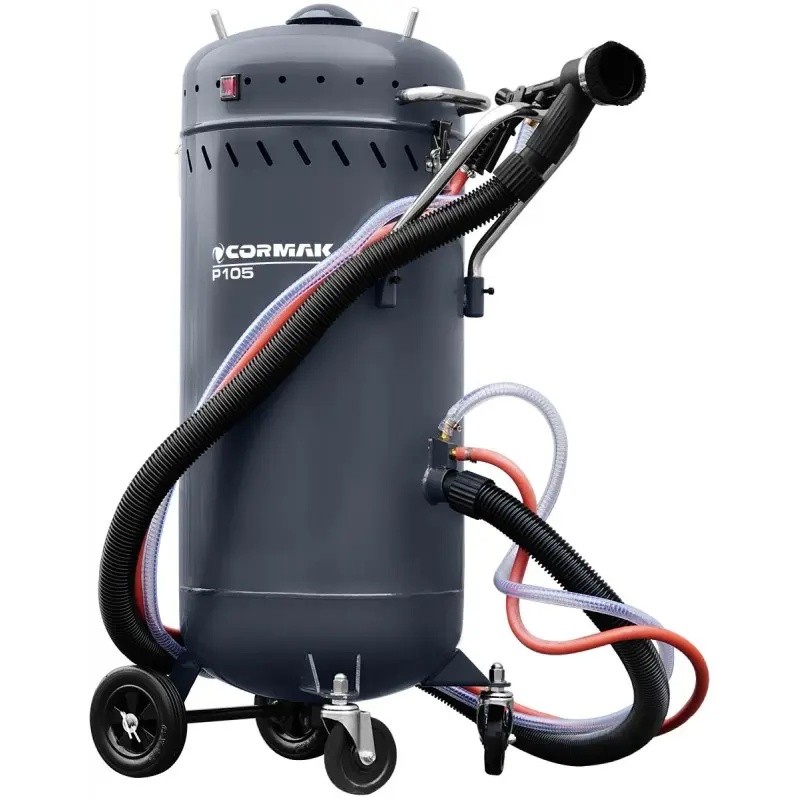
One of the most effective ways to clean metal components is sandblasting. This technology involves directing a stream of abrasive material at the correct pressure onto the surface being treated.
Professional metal sandblasting machines enable the thorough removal of rust, paint and other contaminants whilst maintaining control over the process. This solution is used, amongst others, in the automotive, construction and manufacturing sectors.
For larger structures, siphon-type sandblasters are ideal, as they offer mobility and high operational efficiency. This makes it possible to quickly prepare large surfaces for painting or refurbishment.
Advanced sandblasting machines allow the type of abrasive and operating parameters to be tailored to the specific characteristics of the material. This ensures that the cleaning of metal surfaces is carried out effectively and safely.
Washing and degreasing metal parts
Not all types of dirt require the use of an abrasive. In many cases, washing and degreasing prove to be effective.
If the question arises as to how to clean metal covered in oils, greases or cooling emulsions, the answer may lie in specialist equipment that uses cleaning agents. Such solutions are particularly popular in workshops and manufacturing plants.
Professional cabinet washers enable thorough cleaning of components whilst minimising the operator’s exposure to chemicals. The enclosed design of the machine enhances workplace safety and helps keep the workstation tidy.
This type of cleaning for metal components is recommended primarily when it is necessary to remove greasy contaminants prior to assembly, quality control or further processing.
Cleaning lasers – a modern solution for industry
Technological advances have led to cleaning lasers becoming increasingly popular. These innovative devices utilise the energy of a laser beam to remove contaminants from metal surfaces.
This technology allows for the highly precise removal of contaminants from metal surfaces without the need for chemicals or abrasives. This minimises the risk of damage to the substrate.
In practice, lasers are used to remove rust, paint, oxides and other deposits. They are also increasingly being used in machine maintenance processes and the restoration of historic artefacts.
Summary
Effective metal cleaning forms the basis of many production and refurbishment processes. Appropriately selected metal cleaning methods influence the quality of products, safety in use and the durability of structures. Depending on requirements, sandblasting, industrial washing or advanced laser solutions can be used.
Knowing what to use to clean metal and how to clean it under specific conditions can significantly improve a plant’s operations and reduce the risk of technical errors. Modern metalworking machinery, specialised metal sandblasting machines, high-performance cabinet washers and innovative cleaning lasers enable metal surfaces to be cleaned quickly, effectively and in accordance with the requirements of modern industry.
